Planning Fighting Game Practice Changes
When a fighting game suddenly feels unfamiliar, the problem is often not a lack of effort but a mismatch between your plan and the new setting. Maybe the match pace…
When a fighting game suddenly feels unfamiliar, the problem is often not a lack of effort but a mismatch between your plan and the new setting. Maybe the match pace is faster, the connection feels different, or the mode changes the way pressure arrives. In that moment, many players react by trying to do everything at once. A better response is to identify one specific point of failure and build the next practice around it. Planning matters because it turns a confusing session into a small, testable experiment instead of a vague attempt to "play better."
The easiest place to begin is with a clear diagnosis. Ask what changed, what you expected to happen, and what actually happened. Did your anti-air timing fall apart because the game rewarded earlier buttons? Did your corner defense collapse because the opponent’s options looked different from training mode? Did you stop confirming hits because the new setting made reactions feel rushed? Once you describe the problem in plain language, the next step becomes easier: you are no longer "bad at the game," you are dealing with one visible adjustment that can be planned for. A short note about the first session can help the next one start cleanly. TX88 The same note should describe one change to test, not a full list of mistakes.
Good practice planning starts small enough to finish. If you only have twenty minutes, do not design a full overhaul. Instead, choose one goal and one response. For example, if your throws are getting broken too often in a new lobby environment, decide to spend the first short session watching for defensive habits and the second short session testing a slower shimmy or a different grab timing. If the issue is movement under pressure, build the plan around one lane of improvement, such as blocking first, then walking out, then counterattacking. The point is not to solve the whole matchup in one sitting. The point is to make the next choice more deliberate than the last one.
A useful way to keep the plan honest is to compare one measurable change across two short sessions. Use the same opponent, the same training drill, or the same replay note if possible. In the first session, record a simple baseline, such as how often you escape the corner in five tries, how many anti-airs you land out of ten jumps, or how many times you get pressured into panic buttons. In the second session, keep the goal the same but alter the response. Maybe you block one extra beat before challenging, or maybe you commit to a single punish route instead of improvising. The result does not need to be dramatic. Even a small shift in consistency gives you evidence that the plan is working.
If the setting is unfamiliar, resist the urge to copy advanced players without context. Their choices may be correct for a higher level, but not yet useful for your current problem. A beginner-friendly plan should answer three questions: what should I watch for, what should I do when I see it, and what should I avoid repeating? That structure creates stability. For instance, against a new character with awkward spacing, you might watch for long recovery after a specific special move, respond with one reliable punish, and avoid chasing with unsafe jumps. Planning like this keeps the focus on repeatable actions rather than on memorizing every possible interaction. A second note is more useful when it stays specific and easy to repeat. TX 88 That makes it easier to compare the result with the earlier session.
Team-based practice makes planning even more important because expectations can shift between sessions. One player may be comfortable with aggressive openings while another needs time to read the pace. If roles are changing, decide in advance who is testing what. A player practicing defense should not also be expected to lead every exchange, and a player learning pressure should not be judged by how often they win immediately. Shared planning reduces confusion and lets everyone evaluate the same adjustment from a different angle. It also prevents a common mistake: assuming that a bad result means the plan failed, when it may only mean the plan was too broad.
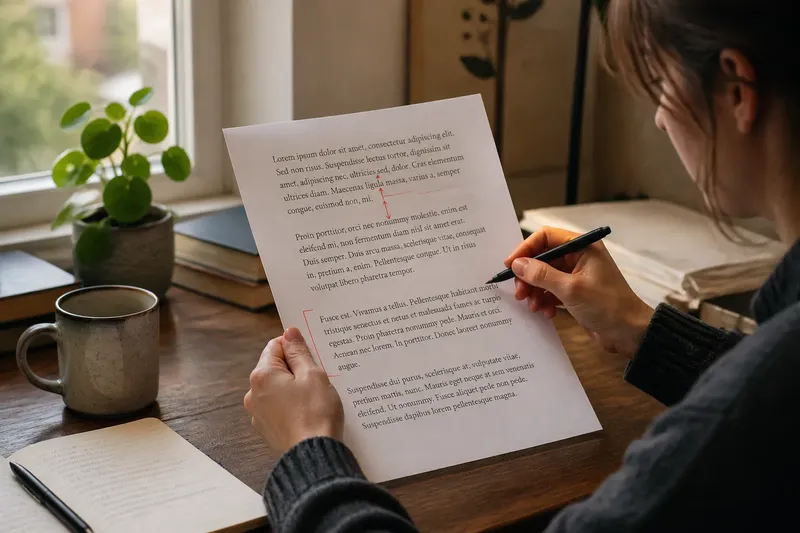
The strongest habit is to end each short session with a simple note. Write down what changed, what stayed difficult, and what to try next time. Keep the note concrete. "I blocked better after the first knockdown" is more useful than "felt smoother." "I lost because I pressed too early after teching" gives you a correction you can test later. Over time, these notes reveal whether the new setting is becoming familiar or whether another adjustment is needed. That is the value of planning: it creates a trail from confusion to clarity, one small decision at a time.
To see the difference, imagine two short sessions on the same evening. In the first, you enter with no plan and chase every opening, which leads to messy exchanges and repeated punishment. In the second, you decide to test one defensive response and one punish route, then measure how often you can use them cleanly. The second session may not look flashy, but it is usually more productive. You leave with a better sense of control, a clearer next step, and less frustration about the unfamiliar setting. That is the practical goal of fighting-game practice: not perfect play, but a better plan for the next round.